Bird Proofing in Monument
Bird Proofing, Monument-Specific
Bird and squirrel pressure is real across Monument. Decoys, foil strips, and ripping out nests don't hold — roof pigeons figure out nothing's actually a threat, and squirrels come back through whatever gap the previous round left open. The only thing that works long-term is sealing the gap.
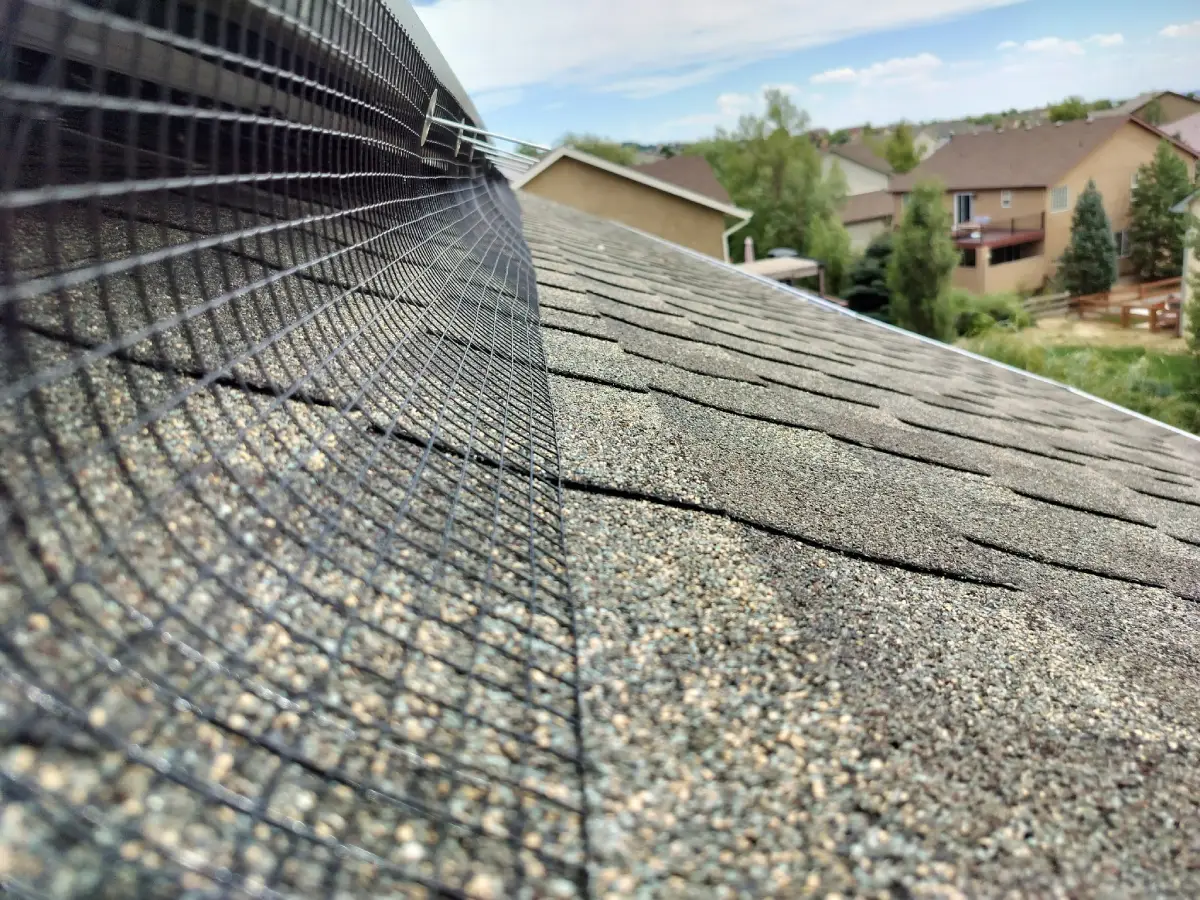
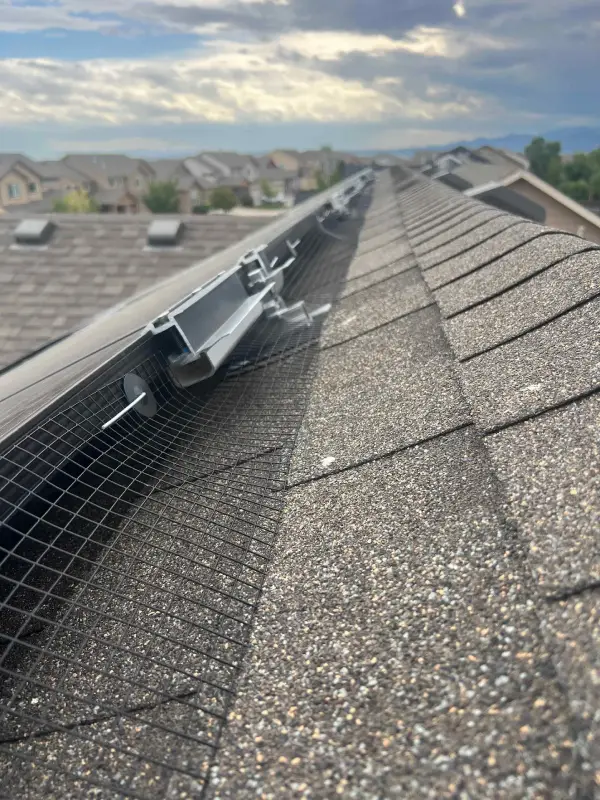
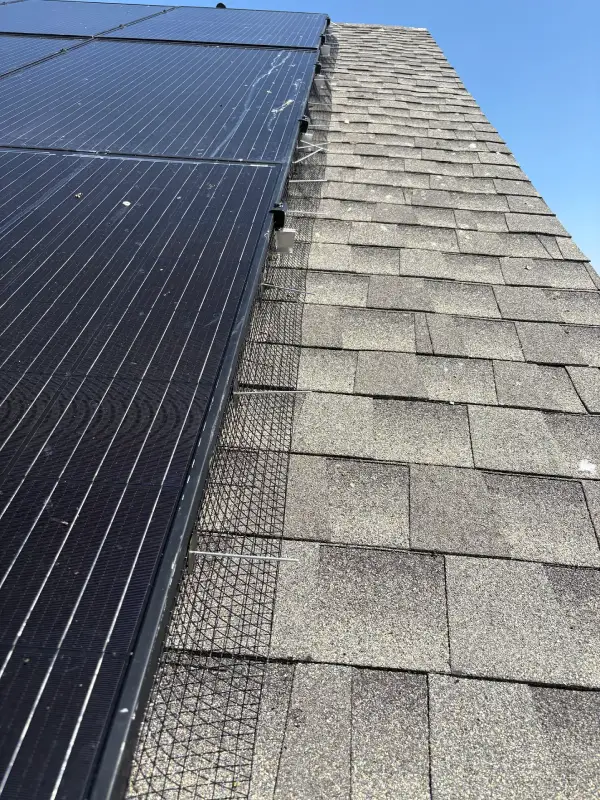
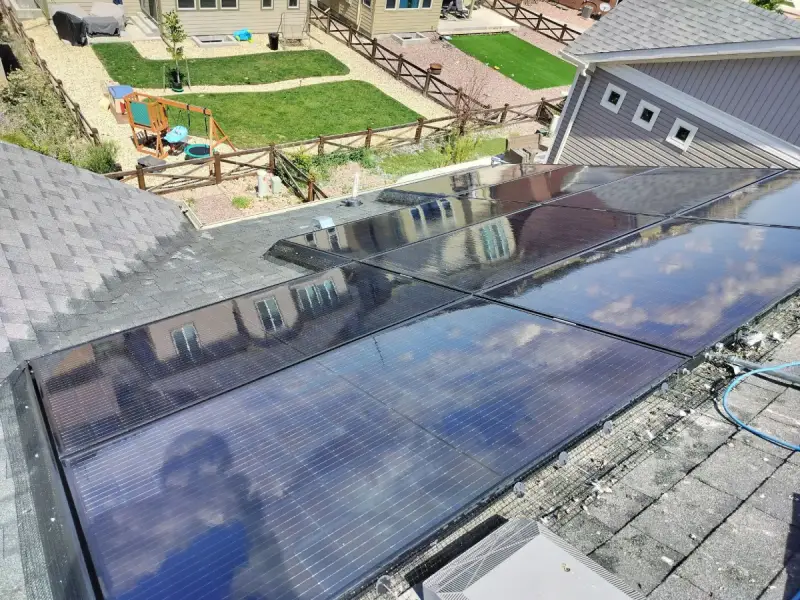
We pull out the existing nesting and droppings, clean the array faces, then run galvanized mesh around the perimeter so birds and squirrels physically can't get back into the space underneath. Once the gap is closed they move on. Animal damage is excluded from every panel and inverter warranty we've seen, which is why most Monument homeowners end up doing this once instead of paying for repeat cleanups and chewed-wire repairs.
What We Handle
- Nest, droppings, and debris removal — full under-array cleanout before the guard goes on
- Galvanized critter-guard mesh perimeter — fits around the array, not drilled into the roof deck
- Panel-face cleaning included — no extra cleaning call needed
- Wiring inspection while we're up there — anything chewed gets flagged

FAQs About Bird Proofing in Monument
What Monument homeowners ask us most often about bird proofing for their solar system.
-
Do you cover Monument and the Tri-Lakes area?
Yes — Monument, Palmer Lake, Woodmoor, Jackson Creek, and Black Forest are all part of our regular Springs-to-Denver corridor work. Often through the area weekly. -
How much does critter guard cost?
Most residential retrofits run $1,400-$2,000 depending on array size and roof access. Done at the same time as a new system it's cheaper ($500-$1,500); retrofit is a 30-50% premium because it's a separate truck roll and sometimes partial panel removal. -
Will the mesh damage my roof or void my panel warranty?
No. The mesh clips around the array perimeter, not to the panel faces, and it doesn't drill into the roof deck. It doesn't interfere with panel or inverter manufacturer warranties. -
At 7,000 feet up here, does the altitude do anything to my panels?
It does. Higher elevation means more intense UV (accelerates seal degradation), bigger daily thermal swings (stress on connections and microinverters), and stronger wind exposure (mounting hardware wears faster). On the upside, panels are more efficient in cold air. Worth a look on older systems. -
My installer's out of business — Titan, Pink Energy, ADT, Sunnova. Can you still service?
Yes. We service every brand and every installation, including orphaned systems. Your panel and inverter manufacturer warranties usually still hold even if the installer is gone — we pick up the service side and help with whatever RMA paperwork is needed.