Solar Inspection in Pueblo
Inspection, Pueblo-Specific
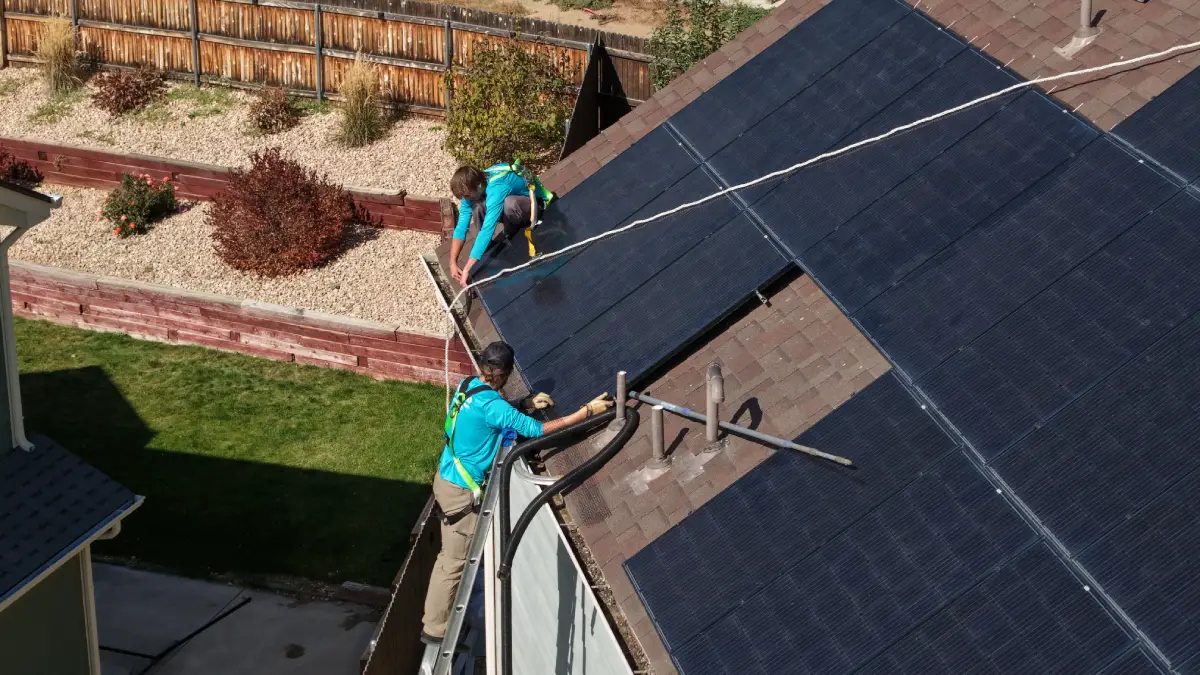
If your Pueblo system isn't producing what it used to — or if you've never had it checked since install — an inspection answers whether it's actually fine or whether something's hiding. A normal year-over-year drop is small. A 5%, 10%, or 20% drop isn't aging; that's something quietly failing.
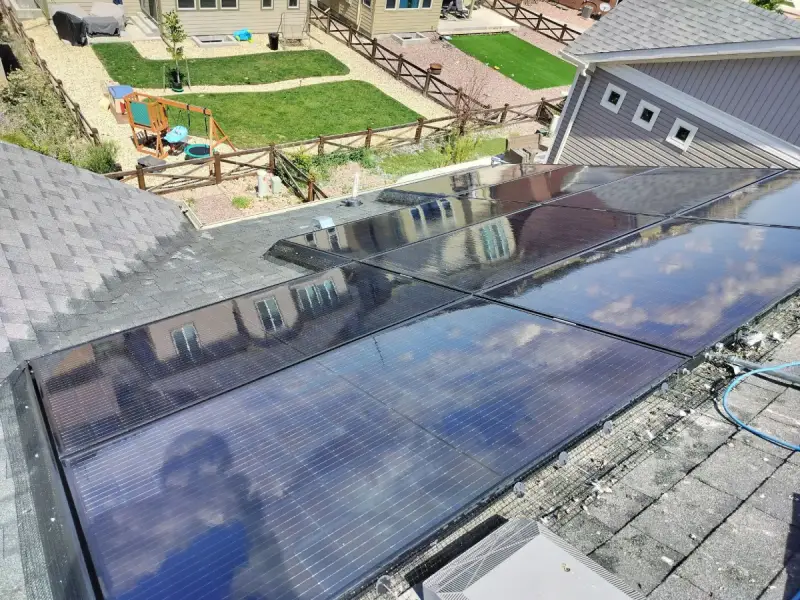
In Pueblo the most common findings are post-hail micro-cracks (invisible under intact-looking glass), failed or under-reporting microinverters, soiling that's worse than expected, and aging connections from thermal cycling. We use thermal imaging where it's warranted, read your inverter and monitoring directly, and give you a straight diagnosis — not a quote to replace the whole system.
What We Handle
- Production benchmarking — current output vs. what your system should produce for size + age + weather
- Inverter and microinverter health check — read the hardware directly, not just the app
- Thermal imaging on hail-suspected arrays — spots the hot spots where micro-cracks hide
- Visual + connection check — racking, conduit, junction boxes, grounding
- Written diagnosis — smallest fix that solves the problem, or 'nothing's wrong' if that's the answer

FAQs About Solar Inspection in Pueblo
What Pueblo homeowners ask us most often about inspection for their solar system.
-
Do you actually come down to Pueblo? Most companies stop at the Springs.
Pueblo is part of our regular service area — most Front Range solar companies don't make the trip; we do. Same-day or same-week scheduling for routine work. -
Should I get my panels inspected after a hailstorm?
If hail bigger than a quarter hit your area, yes. The dangerous damage isn't visible — it's micro-cracks in the silicon underneath glass that still looks intact. We use thermal imaging to spot the hot spots that show where micro-cracks are. -
How much does a solar inspection cost?
Most residential inspections run $250-$450 in Colorado, depending on system size and what's needed. Visual only is the low end; thermal imaging or electroluminescence testing the higher. If we end up doing repair work afterward, the inspection cost often rolls into the bigger job. -
Why do my Pueblo panels need work more often than the Springs?
Pueblo sits in a precipitation doughnut hole — less rain than Denver or the Springs despite being lower. Add agricultural dust from the Eastern Plains and spring dust storms, and arrays soil faster. The strong summer sun means each percent of soiling costs more absolute production. -
My installer's out of business — Titan, Pink Energy, ADT, Sunnova. Can you still service?
Yes. We service every brand and every installation, including orphaned systems. Your panel and inverter manufacturer warranties usually still hold even if the installer is gone — we pick up the service side and help with whatever RMA paperwork is needed.